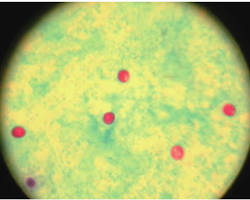
Cryptosporidium — is the leading cause of recreational water illness outbreaks in the United States. Responsible for over half of all illnesses tied to public pools, hot tubs, and splash pad. The parasite causes a disease called cryptosporidiosis. Causes profuse watery diarrhea that can last up to 3 weeks. In people with compromised immune systems — including those with HIV/AIDS, cancer patients on chemotherapy, organ transplant recipients, and very young children — the infection can become severe, prolonged, and even life-threatening.
Cryptosporidiums infectious stage is called an oocyst — is extraordinarily tough. Just one infected person can shed up to 10 billion oocysts in their stool daily — enough to contaminate an entire pool in a single visit. That's why its very important you have someone who's trained maintaining your pool.
Pools are a great breeding ground for cryptosporidium
Swimming pools might seem like clean, well-maintained environments, but from Cryptosporidium's perspective, they are an ideal habitat. The parasite is protected by a hard outer shell that makes it highly resistant to chlorine — the primary disinfectant used in virtually every public and private pool in the world. The CDC-recommended chlorine levels of 1–3 mg/L, Cryptosporidium oocysts can survive for anywhere from 3.5 to over 10 days. Bromine, another common pool disinfectant, is equally ineffective at normal dosing levels. Cryptosporidium can last in swimming pools 3.5 - 10.6 days with normal chlorine levels. To kill cryptosporidium 20 ppm of chlorine needs to be held for 28 hours in the pool. Two weeks after diarrhea stops people can still spread oocysts.
Cryptosporidium is a fecal-oral pathogen, meaning it spreads when oocysts shed in the feces of an infected person (or animal) are ingested by another person. In a pool setting, this most commonly happens when swimmers accidentally swallow even a tiny amount of contaminated pool water — something that is essentially unavoidable for children and competitive swimmers. A study in Beijing of 60 water samples in 35 swimming pools revealed that 16.7 percent of the pools were positive for cryptosporidium. Also in the study they found that the standard tests done in pools to find certain bacteria's could not tell if there was cryptosporidium. In other words you need specific testing to find cryptosporidium in pool water.
Symptoms of the infection
It takes about 2-10 days for you to feel the symptoms of Cryptosporidiosis. The most common symptom is the onset of profuse watery diarrhea. Other common symptoms of cryptosporidiosis are Watery, sometimes explosive diarrhea (the defining, Severe stomach cramping and abdominal pain. Nausea and vomiting. Mild fever (usually low-grade)Loss of appetite and weight loss Dehydration, which can become serious if untreated, and In some cases: a persistent cough (respiratory cryptosporidiosis)
Why chlorine doesn't work
The Parasite has a very tough outer layer that normal chlorine levels in a pool cannot penetrate. So hyperchlorination is needed to kill the parasite. Which means very high levels of chlorine are needed. There are also studies out there that say if the cyanuric acid level is to high in the pool it could take several more days hours to kill cryptosporidium. Not sure how much longer specifically but takes a-lot longer I believe weeks to maintain chlorine at very high levels to kill the parasite. It is because cyanuric acid binds with chlorine to protect it from the sun, but to much cyanuric acid actually slows down the disinfection rate of chlorine. That is why it is super important to have professionals service your pool.
On the other hand ultraviolet light can kill cryptosporidium at very low doses. Ozone as well can kill cryptosporidium pretty quickly. Because ozone destroys bacteria and viruses thousands of times faster than chlorine.
How is Cryptosporidium Detected
Diagnosing cryptosporidiosis in a person requires laboratory analysis of stool samples. Because oocysts can be scarce in samples and easily confused with other objects under a microscope, guidelines recommend collecting a minimum of three separate stool samples on three different days before ruling out infection in patients with severe diarrhea.
The gold standard today is PCR (polymerase chain reaction) testing, which offers the highest sensitivity and specificity, and can identify the specific Cryptosporidium species involved — important information for outbreak investigations.
On A Side Note
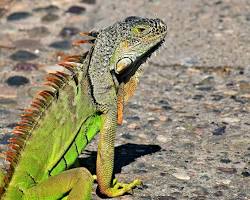
If you have iguanas in your yard. They usually go by pools to eat bugs that fall into the water. Well iguanas can carry cryptosporidium as well. Iguanas, like many reptiles, can carry Cryptosporidium in their intestinal tracts and shed the parasite's oocysts in their feces,
Iguana's also carry Salmonella, Leptospirosis and E. coli in there feces.
In Summary
Cryptosporidium is the #1 cause of pool-associated gastroenteritis outbreaks. That is why you have to have professionals service your pool, pool service miami is what we do. Standard chlorine levels do NOT kill Crypto — UV or ozone systems are essential. Hyperchlorination at 20 ppm for 28+ hours is required to decontaminate an affected pool. Infected individuals should stay out of water for 2 weeks after symptoms resolve, Urea concentration in water may be a better Crypto risk indicator than standard bacterial tests. Always have a written outbreak response plan and contact your local health department immediately if Crypto is suspected