
How Long Do Pool Pumps Last?
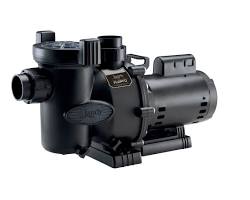
Most pool pumps last between 8 and 12 years. Pump brand, maintenance, usage, and installation all affect lifespan. You can help your pump last longer by keeping the pump basket and skimmer clear, lubricating seals, and maintaining proper water balance. Brand also matters, since lower-quality pumps may not hold up as well over time. In many cases, the motor fails before the wet end does.
What Affects a Pool Pumps Lifespan?
Maintenance
Regular maintenance plays a big role in how long a pool pump lasts. Clean the pump basket often and keep the skimmer baskets empty. Make sure the pump has full prime, since poor prime puts extra strain on the pump. The pump lid O-ring should also stay lubricated and should not be flat or worn down. Never use petroleum jelly because it has hydrocarbon oils that breakdown the rubber, cause it to swell, soften and fail.
Leaks can shorten a pump’s life as well. If the water level drops below the skimmer while the pump is running, air can get pulled into the system and damage internal parts. If the pump runs with no water for too long, it can overheat.
Be aware of suction-side leaks. If you hear hissing near the pump and it is not priming completely, there may be a suction-side leak. That can be very hard on the pump.
You should also stay on top of filter cleanliness. A dirty filter puts strain on the pump. Lower-quality filters may also restrict flow more than better ones, which can make priming harder and increase wear. Balance the pool water weekly, and try to keep the pump shaded or covered during the hottest parts of the day. Never let the pump run dry.
How Often The Pump Runs
Runtime can also affect lifespan. I have not seen this as clearly firsthand, but it makes sense that a pump running more often will experience more wear. Variable-speed pumps are often designed to run for longer periods at lower speeds.
Pump Brand
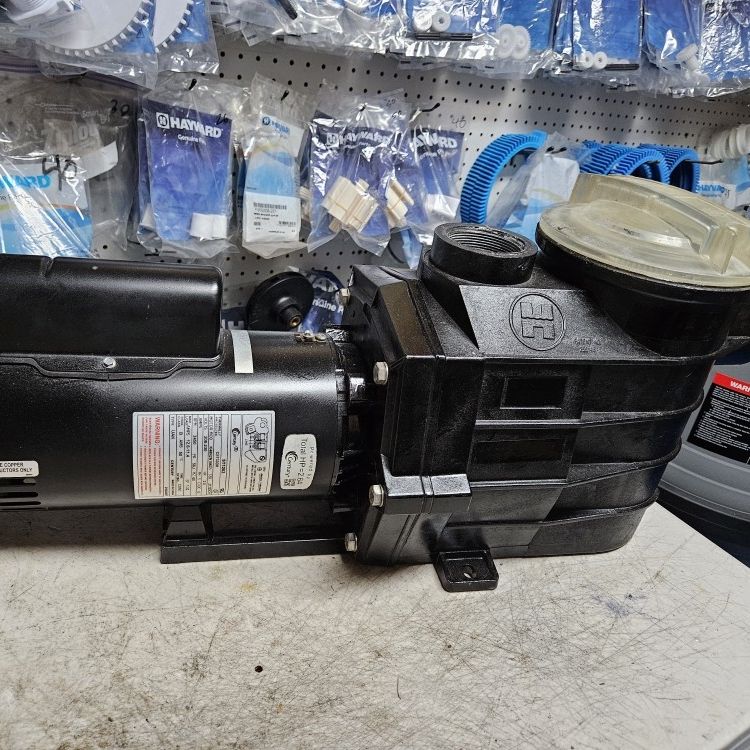
Pump Brand can make a major difference in pump lifespan. In the field, you can often tell which pumps hold up better under stress and cavitation. Pentair, Jandy, and Hayward are generally more durable than lower-cost pumps. Cheaper Amazon brands often feel more delicate from the start, and the materials tend to be less sturdy.Older Hayward single-speed Super Pumps were especially durable. Many pool owners have had the same pump for 15 years or more. That level of quality is harder to find in cheaper pumps today.
Water Quality
Water quality also affects how long a pool pump lasts. If the water is unbalanced, it can wear down seals and damage the pump. We have taken on new pools where the water is unbalanced, and by the history the new customer tells us. There equipment has failed a-lot. We balance all our pools, so we've got the water quality part covered, we do pool service miami. Acidic water can eat away at seals over time, while high pH and scaling conditions can create buildup around the pump.
If you see white residue around the area where the housing and motor meet, that can be a sign of scale. Scale can cause the pump to work harder and may lead to early failure. When we see that buildup, it is often a sign the pump may need to be replaced soon.
Climate and Weather
Climate and Weather also affect pump lifespan. Freezing temperatures can damage any pump. So can direct exposure to sprinkler water, roof runoff, humidity, and moisture from nearby soil. These conditions can rust the motor windings and shorten the pump’s life.
Too much sun can also cause damage. Long-term sun exposure can crack the pump housing prematurely
The Sizing of Your Pump
Pump size matters too. If the pump is too large for the plumbing, it can cause cavitation. For example, if the suction line is 1.5 inches instead of 2 inches, a larger pump may have to pull water through a smaller pipe. That added strain can shorten its lifespan.
Housing vs. Motor
In most cases, the motor wears out before the housing. Some customers replace several motors before replacing the housing once.
Signs Your Pool Pump Is Wearing Out
Unusual noises are a common warning sign. A loud screeching sound often means the bearings are failing. Moisture in the area can damage the bearings, and water may also be getting into the motor through a broken seal. Sometimes the pump may sound like rocks are inside it. That usually means cavitation, not necessarily end-of-life wear, but it should still be fixed quickly.
Loss of suction is another sign. If the pump is getting harder to prime, it may be losing strength.
Weak circulation can also mean the pump is wearing out. If the filter is clean, one way to test pump performance is to calculate the system’s hydraulics. You can check TDH and compare it to the pump curve to see whether the pump is still producing the expected GPM.
You check the TDH by putting a vacuum gauge on the front bottom drain port and a pressure gauge on the back bottom drain port. Inyo pools has a step by step guide on how to do it.
Leaks around the pump are another warning sign, even if they seem small. Leaks often point to a bad seal, which is frequently caused by overheating. If the pump overheats often, the motor may be pulling too many amps, which can mean the windings are starting to fail.
Also, if the breaker that supplies your pool pump keeps tripping, and the pump does not come on. That means your pump is done. The windings are causing to much resistance and tripping the breaker.
Great example of bad bearing on a pump in this video
What Counts as Normal Wear vs. a Failing Pump?
Not every pump problem means the pump is at the end of its life. For example, if the pump has been off for a while and the plumbing has drained back, it may not prime right away. That does not always mean the pump is failing.However, if you fill the pump basket with water and it still takes a very long time to prime, the pump may be nearing the end of its lifespan.
Repair or Replace Your Pool Pump?
Some pool owners prefer to repair pumps instead of replacing them. In many cases, the motor is the part that fails first, so people choose to replace just the motor. The problem is that the pump housing is still old.
Over time, heat from the sun and from the old motor can change the shape of the housing. Even small changes can affect how the new motor and impeller fit together. If the impeller hole is too tight, it can cause rubbing and strain. If it is too loose, the motor may work harder than it should.
From our experience, a motor swap usually lasts about 6 months to 4 years. A full pump replacement usually lasts longer. For that reason, replacing the entire pump is often the better recommendation
Frequently Asked Questions
What is the life expectancy of a Hayward Super Pump?
Older Hayward Super Pumps were very durable. In some cases, we still see original pumps that were installed when the pool was first built, even 20 years ago. Newer models may vary, but the older ones were known for lasting a long time. The newer model super pumps are strong but they are not built like the old ones were.
Do Pool Pumps Last Longer Than Filters?
Usually, yes. Filters often last longer than pool pumps. In many cases, the pump will wear out first. The exception is a filter that is exposed to a lot of sun, which can cause cracking.
What is the average cost of replacing a pool pump?
Replacing a variable-speed pump for an average-sized pool often costs around $1,000 to $2,500. A single-speed replacement for a smaller pump may cost around $1,000.
How Long Do Pool Pumps Last In Florida?
About the same: 8-12 years.
How Long Do Variable Speed Pumps Last?
Would say more than 8-12 years because most people run them at lower speeds, so they aren't taking a beating the whole time.
Conclusion
As mentioned above, the average pool pump lifespan is about 8 to 12 years. To help your pump last longer, keep the water balanced, check for leaks around the pump, and make sure the pump always has full prime.
If you want, I can also do a second pass to make this sound even more natural and less repetitive, while keeping your same points.
Bryan B.
Owns a pool service company in Miami, Florida. They do a-lot of case studies out in the field. They take a chemistry first approach to everything. Bryan has a-lot of hands on experience, and he and his team are always pushing the boundaries to try to find breakthroughs in the pool industry. In a field where there's a-lot of misconceptions, he is dedicated to provide as much factual information as he can to his customers.